How to Share Your Art Online and Actually Get Noticed
How to Share Your Art Online and Actually Get Noticed
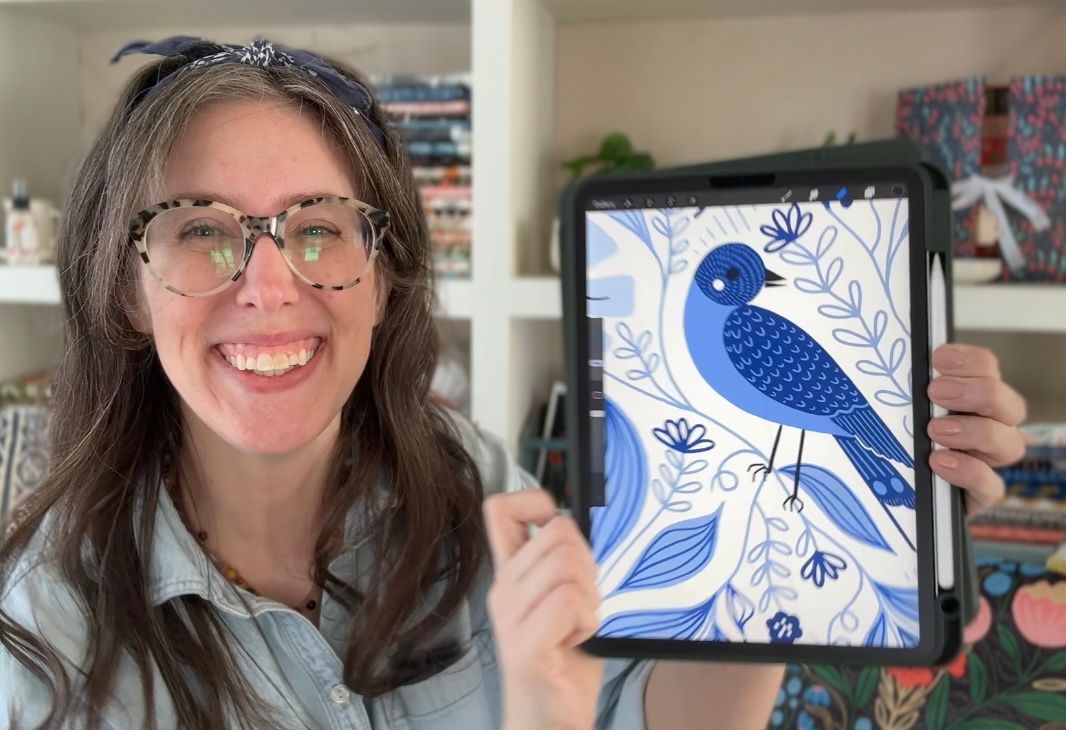
Most artists know they need to be online — but getting noticed takes more than posting and hoping. Years ago, Stacie Bloomfield was managing a coffee shop while trying to build her art career, with no idea how to reach the right buyers. She figured it out the hard way. The strategies below are what she wishes she'd known from the start.
The goal isn't to be on every platform. The goal is to show up consistently in the places where your target buyer actually is — and build an audience that translates into real business opportunities.
Show Up on Social Media With a Strategy
Social media is the fastest way to get eyes on your work — but consistency and context matter more than volume. Instagram, TikTok, and Pinterest all work well for visual artists, and each serves a different purpose.
Instagram is where buyers browse and licensing partners discover new artists. TikTok rewards process videos and behind-the-scenes content. Pinterest acts like a search engine and can drive traffic to your site for years. The key: choose one or two platforms and show up authentically. High engagement from a smaller, bought-in audience matters far more than a high follower count. Share your creative process, not just the finished piece.
Build and Own Your Email List
Your email list is the only online audience you actually own — no algorithm can cut off your access to it. A newsletter lets you maintain a direct line of communication with collectors, fans, and potential clients, and build the kind of trust that turns followers into buyers.
Start simply: a monthly email with new work, your creative process, and what you're working toward. As your list grows, it becomes one of your most valuable business assets. Social media is for discovery; email is for relationship.
List Your Work on Etsy and Spoonflower
Etsy and Spoonflower put your art in front of buyers who are already looking to purchase. Both platforms are search-driven — artists who optimize their listings with relevant keywords consistently outperform those who just upload and wait.
Spoonflower is a print-on-demand platform where you upload your designs and they handle printing and fulfillment. Order swatches before selling to verify your colors print correctly. On Etsy, research what buyers are actually searching for in your niche and build your titles and descriptions around those terms.
Create an Art Directory Presence
Art directories like Dribbble and Behance let you build a portfolio profile, connect with the broader creative community, and surface your work to art directors and licensing partners who actively browse these platforms looking for new talent.
A well-curated directory profile takes a few hours to set up and can keep generating discovery opportunities for years. Think of it as passive visibility — you build it once and it keeps working.
Start Your Own Website
Your website is your home base — the one place online you fully control. No algorithm changes, no platform shutdowns, no rules you didn't agree to. It's where licensing partners go to take you seriously, where collectors bookmark your work, and where you can tell your full story.
You don't need a website to start, but as your business grows it becomes non-negotiable. At minimum: a portfolio, a bio, contact information, and a way for people to join your email list.
Know Who You're Sharing With
The single biggest mistake artists make when building an online presence is creating content without a clear picture of who it's for. If you don't know who your buyer is, you can't reach them effectively — no matter how many platforms you're on.
Getting crystal clear on your target audience — what they buy, where they hang out online, what they respond to — is the foundation everything else is built on. The Find Your Audience Workshop walks you through exactly how to identify your ideal buyer and stop guessing who you're making art for.
Frequently Asked Questions About Sharing Art Online
What is the best way to share your art online?
The best approach combines a few platforms: a website or blog you own, one or two social channels where your audience actually hangs out, and an online shop. Don't try to be everywhere at once — pick two or three channels and show up consistently. Social media is for discovery, but your email list and website are where you build real audience ownership.
How do I get my art noticed on social media?
Consistency and context matter more than frequency. Share your process, not just the finished piece. Tell the story behind your work. Use relevant hashtags and engage with other artists and collectors in your niche. And remember — social media gets you discovered, but your email list is where you build lasting relationships with the people who actually buy.
Do I need a website to share my art online?
You don't need a website to start, but it's one of the best investments you can make as your art business grows. A website is the one online space you fully control — no algorithm changes, no platform shutdowns. It's your home base for selling, licensing inquiries, and building credibility with collectors and companies.
About Stacie Bloomfield
Stacie Bloomfield is the founder of Gingiber, a surface pattern design and art licensing brand she built from her dining room table into a multimillion-dollar business with products in 1,400+ brick-and-mortar stores. She has earned $500K+ through art licensing and has taught 5,000+ artists how to build real income from their work.
She is the author of The Artist's Side Hustle (Hay House), a Moda fabric designer, and the host of the Art + Audience podcast. Her programs — including Side Hustle Society, Leverage Your Art, and the Art Licensing Pitch Playbook — help artists at every stage turn their creativity into consistent income.
StacieBloomfield.com needs the contact information you provide to us to contact you about our products and services. You may unsubscribe from these communications at anytime. See our privacy policy for terms and conditions and to learn how we protect your data.