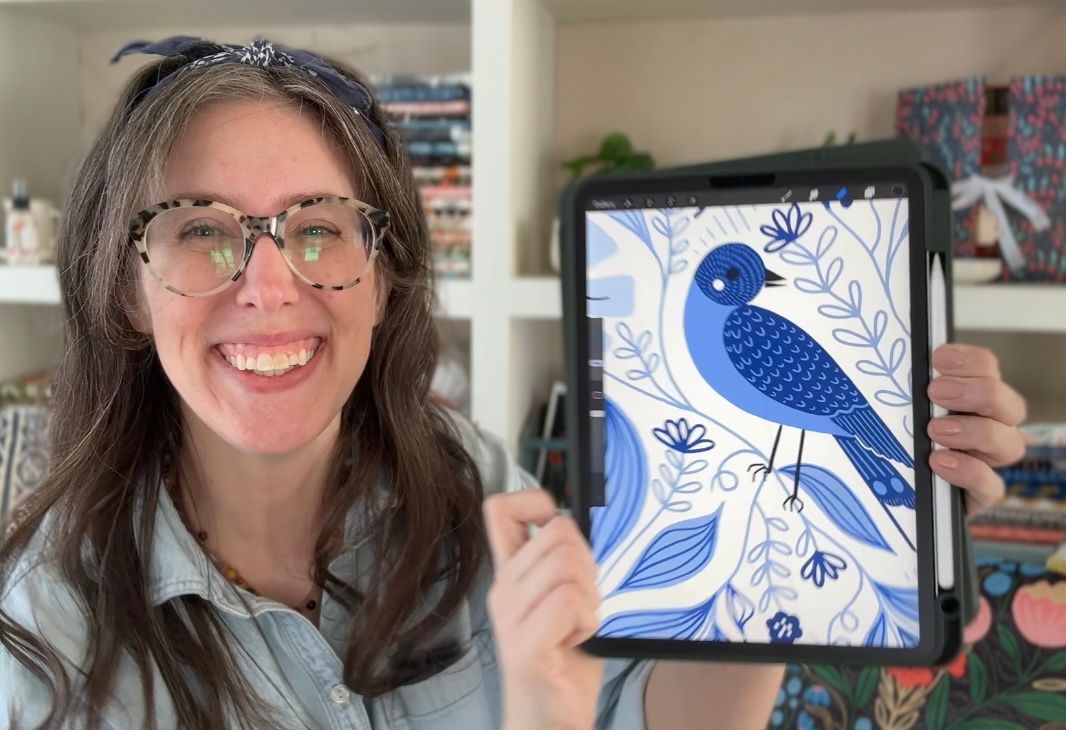
How to Make Art that People Will Actually Buy
How to Make Art That People Will Actually Buy
One of the greatest challenges every professional artist faces is creating work in their artistic style that appeals to potential buyers. When you're used to your natural artistic practice, it can be confusing to start considering what potential customers might want — without feeling like you're selling out.
The good news? You don't have to choose between making art you love and making art that sells. Through my work with thousands of fellow artists, I've found that the most commercially successful creative work is also deeply personal — it just follows a few key principles that make it irresistible to buyers.
Stacie Bloomfield built Gingiber into a $2M+ art licensing brand by cracking the code on what makes art not just beautiful, but sellable. The strategies below are the same ones she teaches inside her programs. Let's get into them.
Create in Series and Design for Your Market
The fastest way to make your art more appealing to buyers is to create cohesive collections — and to understand exactly who you're designing for before you start.
Consumers love collectible items, and creating a series or collection of work makes your art dramatically more marketable. When buyers can see how pieces work together, they're more likely to purchase multiple items and return for the next collection. A cohesive body of work also signals professionalism and intentionality — qualities that art directors and licensing partners specifically look for.
Equally important is understanding your market before you create. Conduct a market critique on your own work: ask yourself who would be attracted to this design, what products it could go on, and whether you would buy it yourself. Design for a specific audience — whether that's quilters, parents decorating a nursery, or stationery lovers — so that every piece you make has a clear buyer in mind. Purposeful art sells. Random art sits.
Build Your Audience and Market Your Work
Making great art is only half the equation — the other half is getting it in front of the right people consistently.
Establishing a strong presence online is essential. Your own website is your home base, and social platforms like Pinterest, Instagram, and Facebook are where buyers discover new artists every day. Show up regularly and show your process — behind-the-scenes content builds trust and makes followers feel invested in your work before they ever buy anything. Participate in art fairs and exhibitions to meet buyers in person and build a reputation in your community.
Marketing yourself can feel uncomfortable at first, but it's one of the most important skills you can build as an artist. Talking about your work is not bragging — it's how buyers find you. Use social media to promote available pieces, announce new collections, and share your story. Build an email list from day one, because social platforms come and go but your list belongs to you. The more consistent your marketing, the easier it becomes to make sales without chasing them. Collaborate with other artists and businesses to tap into new audiences you couldn't reach on your own.
Connect Emotionally and Leverage Relationships
The art that sells best isn't always the most technically impressive — it's the art that makes people feel something and comes backed by genuine relationships.
Create art that connects with buyers on an emotional level. Whether it's a children's book illustration, a quilting fabric collection, or wrapping paper design, your art should inspire excitement and a genuine desire to own it. Think about the feeling you want your buyer to have — joy, nostalgia, comfort, delight — and let that guide your creative decisions. Art that tells a story or reflects a specific lifestyle creates a powerful emotional pull that drives purchases.
Relationships inside and outside the art community are one of the most underrated assets in any art business. Stacie Bloomfield attributes much of Gingiber's growth to the relationships she built with art directors, fellow makers, and loyal customers over years of consistent showing up. Building genuine connections with buyers and licensing partners gives you direct insight into what appeals to them — and what their customers want next. Your network is your net worth in the creative industry.
Ready to put all of this into practice? The Artist's Side Hustle walks you through building a sellable body of work step by step. And if you're ready to go deeper into art licensing and building a full-time creative income, Leverage Your Art is the complete system Stacie Bloomfield built from her own experience growing Gingiber.
Frequently Asked Questions
How do I make art that people will actually buy?
Start by designing with a specific buyer in mind — who are they, what do they love, and what products would they put your art on? Then create in cohesive series rather than one-off pieces, market your work consistently on social media and via email, and study which designs get the most engagement. The artists who sell consistently are the ones who treat their creative work as a business — and that starts with understanding their audience.
What makes art sellable to a target audience?
Sellable art has three things: a clear emotional appeal, a cohesive visual identity, and a defined audience. It's not about making generic "crowd-pleasing" work — it's about making deeply personal art that speaks to a specific group of people. When your work reflects a distinct voice and is designed for a real buyer, it stands out in the marketplace.
Should artists create in series or collections to sell more?
Yes — creating in series is one of the most effective strategies for increasing sales. Collections encourage repeat purchases, signal professionalism to art directors and licensing partners, and make it easier for customers to imagine your art in their lives. A cohesive body of work is also far more compelling in a portfolio than a collection of unrelated pieces.
About Stacie Bloomfield
Stacie Bloomfield is a surface pattern designer, art licensing expert, and founder of Gingiber — a $2M+ art licensing brand she built from scratch. Through Leverage Your Art, she teaches artists how to turn their creative work into sustainable income through licensing, product sales, and smart business strategy. She is also the author of The Artist's Side Hustle (Hay House). Follow her at staciebloomfield.com.
StacieBloomfield.com needs the contact information you provide to us to contact you about our products and services. You may unsubscribe from these communications at anytime. See our privacy policy for terms and conditions and to learn how we protect your data.